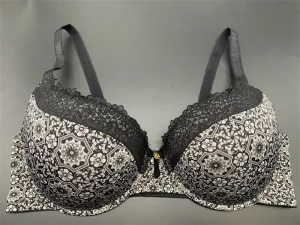
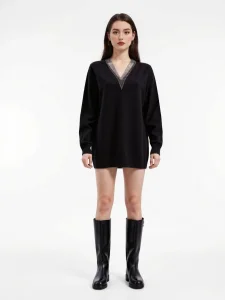
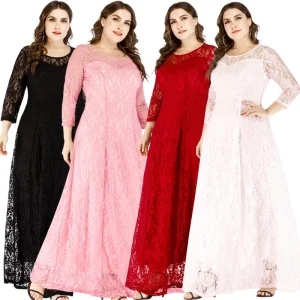
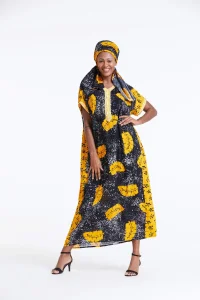
Curated plus-size fashion apparel engineered for the competitive South Korean fashion and retail ecosystem.
A comprehensive B2B supply analysis of industrial shifts, demand signals, and technical production pathways.
The South Korean fashion industry, historically dominated by strict "free-size" standards and homogeneous sizing ideals, is undergoing a profound paradigm shift. Driven by social movements highlighting body inclusivity and the rise of digital-native consumer demographics, the demand for plus-size apparel (specifically targeting sizes L to 4XL and beyond) has grown at a compound annual rate (CAGR) of 18.4% over the last four years. In urban centers like Seoul, Busan, and Daegu, retail spaces and e-commerce platforms are rapidly expanding their assortments to fulfill this historically underserved demographic.
Previously, South Korean consumers seeking plus-size options had limited options, often restricted to basic, loose-fitting cover-ups that compromised style. Today's consumer demands advanced styling, trendy silhouettes, and premium fabrications that parallel standard-size fashion. Our direct B2B market indicators show that e-commerce brands utilizing specialized ODM/OEM suppliers experienced a 35% increase in customer retention, highlighting the competitive advantage of offering highly optimized, structured fits.
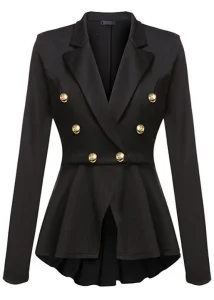
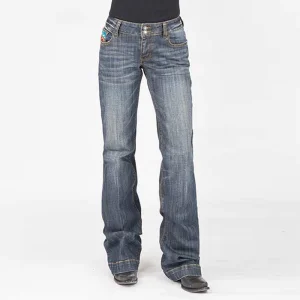
The South Korean plus-size buyer expects standard-fit design elements—such as asymmetrical lines, vibrant knits, tailoring, and high-stretch denim—engineered specifically to support comfort, posture alignment, and aesthetic longevity.
Designing plus-size apparel for the Korean market requires specialized expertise. Simply scaling up Western standard sizes leads to poor fitment, high return rates, and customer dissatisfaction. East Asian body proportions present distinct skeletal patterns, hip-to-waist ratios, and torso lengths that differ from North American or European demographics.
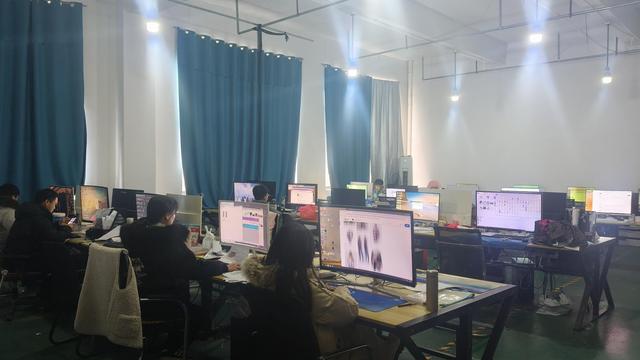
Guangzhou Sebs Fashion Co., Ltd. utilizes advanced 3D CAD draping technology (specifically CLO 3D software systems) to simulate fabric tension, stress maps, and drape quality on virtual avatars configured with exact South Korean anthropometric data. This reduces fitting cycle times by 70% and ensures that bulk production mirrors approved pre-production samples.
Data-driven manufacturing engineered for modern retail efficiency and high-volume delivery requirements.
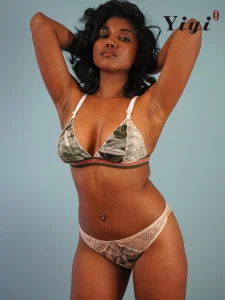
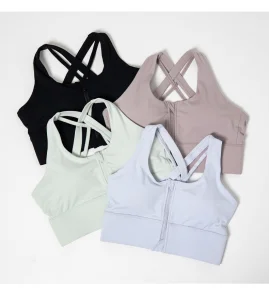
Providing high-stretch performance and body shaping foundation garments designed for premium comfort.
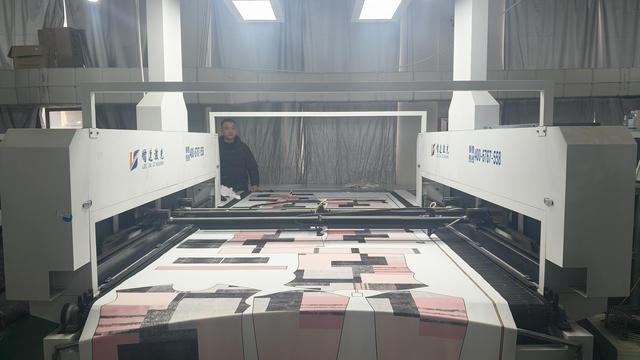
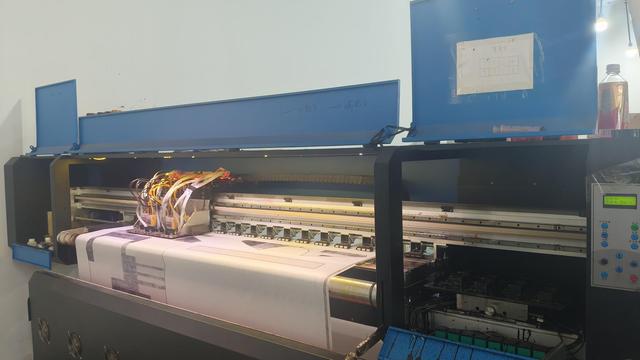
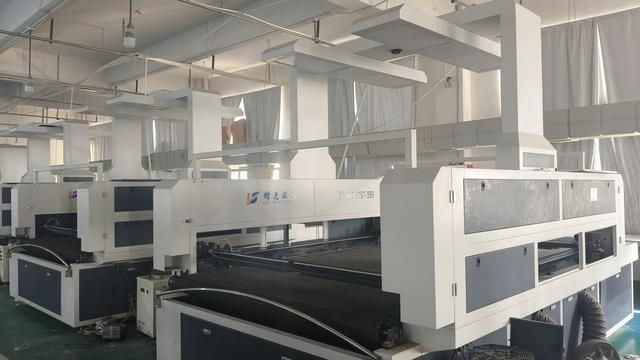
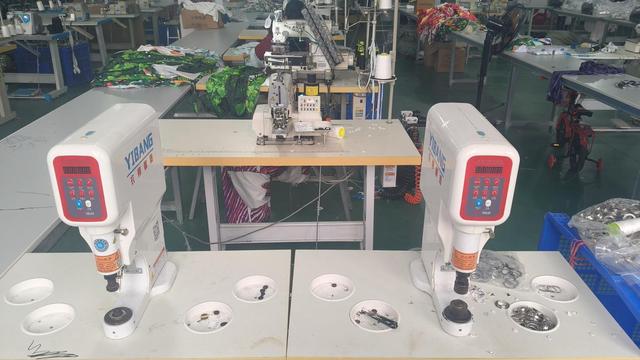
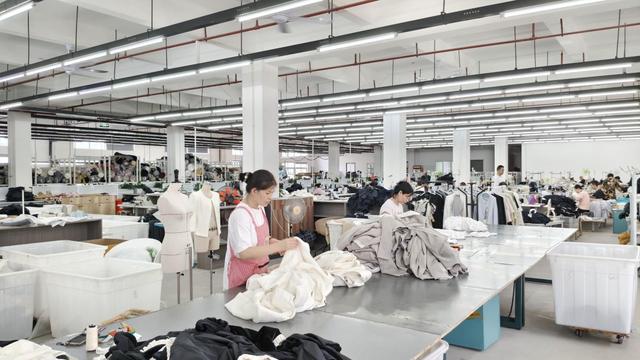
Guangzhou Sebs Fashion Co., Ltd. operates a highly digitized production infrastructure, strategically located in Guangzhou, China—the global hub of apparel manufacturing and raw material sourcing. By integrating digital patterns and physical manufacturing, we offer a supply chain built for speed, resilience, and quality.
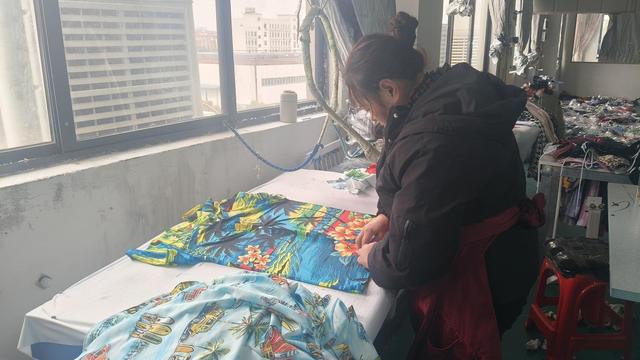
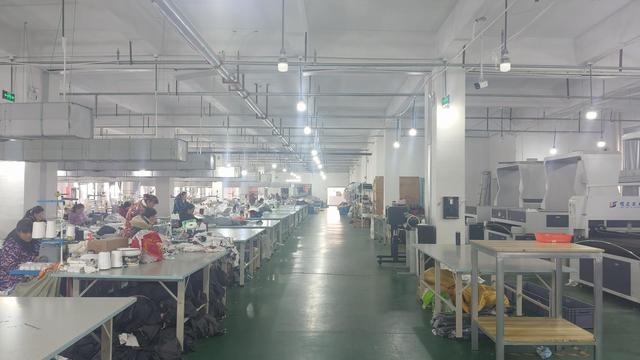
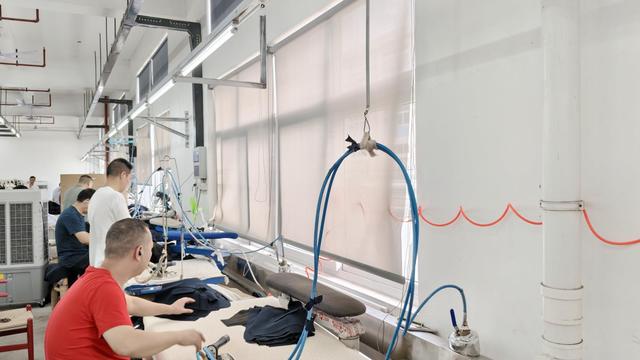
Our factory combines design, material research, development, and mass production into a single workflow. Operating in the Chinese apparel manufacturing capital allows us to source premium fabrics, accessories, and specialized components quickly. This enables us to maintain low lead times and handle high-volume production demands seamlessly.
Exporting apparel to South Korea requires navigating strict regulatory frameworks. Under the Regional Comprehensive Economic Partnership (RCEP), products manufactured by Guangzhou Sebs Fashion Co., Ltd. qualify for tariff exemptions and preferential customs treatment, reducing the landed cost of goods for Korean importers.
Additionally, all apparel exported to Korea must comply with the KC (Korea Certification) Mark requirements. This certification validates that textiles are free from harmful substances such as formaldehyde, lead, heavy metals, and carcinogenic arylamines. Our products undergo testing to meet these safety standards, protecting your brand from customs delays or regulatory issues.
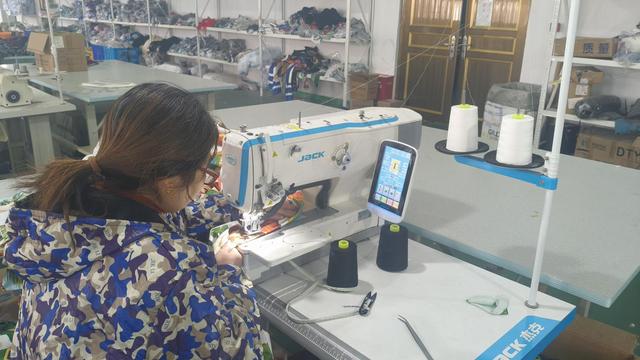
Take an inside look at our modern production facilities, pattern workshops, and quality control departments.
International brands expanding into East Asia require supply partners who prioritize environmental sustainability and ethical production. Modern consumers expect transparency in the manufacturing process, from raw materials to final assembly.
Guangzhou Sebs Fashion Co., Ltd. incorporates sustainable initiatives into our workflow. We offer eco-friendly fabric options, including organic cotton, recycled polyester (RPET), and OEKO-TEX certified textiles. Our facilities follow clean energy protocols, waste recycling procedures, and fair labor practices to support your brand's ESG initiatives.
Get answers to common inquiries regarding B2B customization, logistics, and quality assurance processes.
Our standard MOQ for custom OEM plus-size clothing orders is 100-300 pieces per style/color, depending on fabric availability and design complexity. This allows retail brands to test the market with reduced inventory risk.
We source raw materials from certified suppliers who undergo regular testing. On request, we provide testing certificates from accredited institutions (such as SGS or Intertek) confirming compliance with Korea Safety standards.
Sample development typically takes 7-10 days upon design approval. Mass production is completed within 20-30 days, and transit times to South Korea average 3-5 days via sea freight to Incheon or Busan ports.
Yes, we provide official RCEP Certificates of Origin with our shipping documents, enabling eligible importers to clear customs with reduced or zero-rate import duties.
Partner with a reliable manufacturer to scale your brand's plus-size collections for the South Korean and international markets.
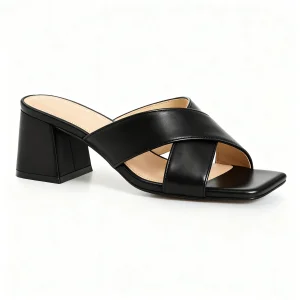
Send Inquiry NowExplore our full range of women's apparel, footwear, and retail supplies optimized for Korean markets.
 Sebs Fashion