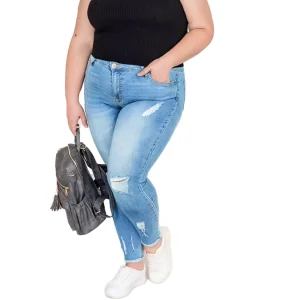
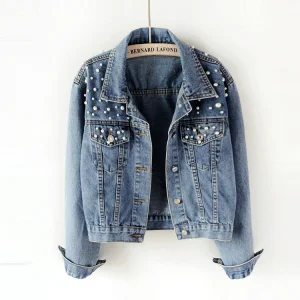
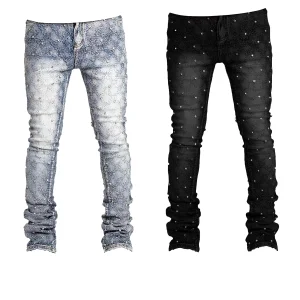
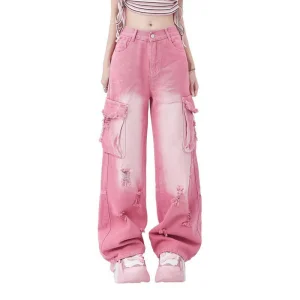
The apparel landscape in the Republic of Iraq is experiencing a profound transition. Driven by structural urban developments, an emerging youthful demographic, and a high demand for western-influenced modest clothing, the necessity for robust women's denim apparel factories in Iraq has reached a critical tipping point. Historically, local manufacturing has faced energy supply challenges, raw material shortages, and infrastructure bottlenecks. Consequently, wholesale buyers and distributors in metropolitan centers such as Baghdad, Erbil, Mosul, and Basra rely heavily on strategic global manufacturing partnerships, particularly out of specialized export zones in China, to fulfill domestic consumer demands.
Establishing direct manufacturing pathways for high-volume denim clothing is crucial for Iraqi merchants. By partnering with advanced apparel production plants, local brands bypass high intermediary import margins and ensure their inventories conform precisely to local aesthetic requirements and regional seasonal transitions.
While domestic initiatives attempt to revitalize local light industrial zones in the Al-Taji and Erbil governorates, the immediate capacity for finishing wash cycles, computerized laser distressing, and large-scale fabric dyeing remains heavily constrained inside Iraq. This output void is bridged by Chinese textile heavyweights such as Guangzhou Sebs Fashion Co., Ltd., which provide full OEM and ODM capabilities, functioning effectively as the primary operational engine for Iraqi brand owners.
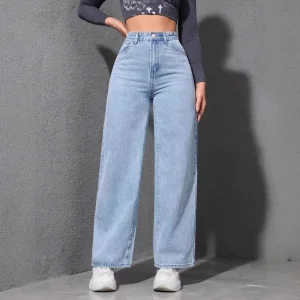
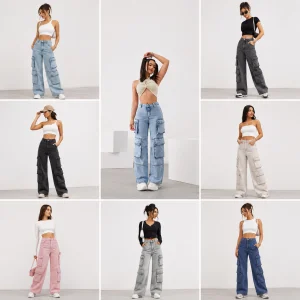
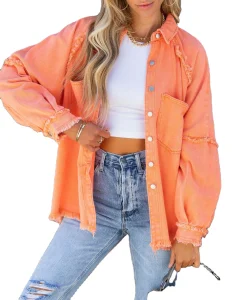
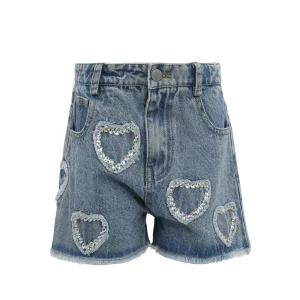
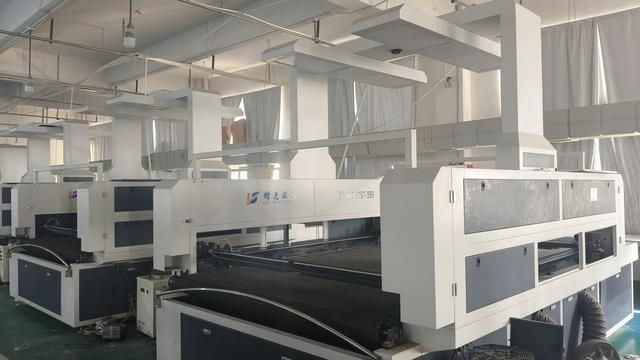
The global denim supply chain relies heavily on mechanical innovation and environmental process engineering. Modern manufacturing facilities utilize automated cutting systems (such as Gerber or Lectra) to maximize fabric yield, reducing structural textile waste to less than 8%. Furthermore, the development of washing technologies—shifting from classic stone wash techniques to high-efficiency ozone and laser finishing machines—ensures consistent garment distress without compromising the structural integrity of the cotton fibers.
For buyers importing denim products into the Iraqi domestic market, structural durability is a primary indicator of brand authority. Higher E-E-A-T credentials for manufacturers are established through certifications like OEKO-TEX Standard 100, BSCI (Business Social Compliance Initiative), and ISO 9001:2015. These certifications guarantee that all chemicals used during dyeing and post-production washing are free from hazardous azo compounds, aligning with regional safety regulations.
Laser processing mimics authentic wear on denim by scorching the surface indigo layer, producing highly precise whiskers and faded areas without using harsh chemical bleaches or water-intensive methods. Ozone washing transforms air into ozone gas, naturally oxidizing the indigo pigments on the fabric surface to create high-contrast highlights. These methods reduce water usage by up to 90% and chemical discharges by 80%, providing a clean, durable product for wholesale importing businesses in Iraq.
Importing commercial-scale textile goods into Iraq requires navigating specific customs regulations, import tariffs, and pre-shipment inspections. All garment shipments entering federal Iraq or the Kurdistan Region (KRI) must comply with international standards and obtain a Certificate of Conformity (CoC) before customs clearance. This documentation is issued by accredited international inspection bodies (such as SGS or Intertek) at the point of origin.
The logistics architecture typically follows one of three routes:
For enterprise clients, Guangzhou Sebs Fashion Co., Ltd. provides comprehensive pre-shipment documentation support, ensuring exact HS Code classification for denim apparel (typically Chapter 62 of the Harmonized System), preventing costly border delays and administrative fines.
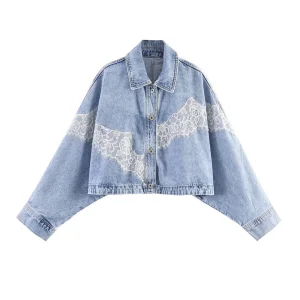
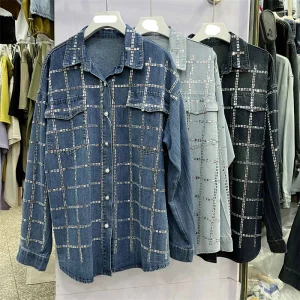
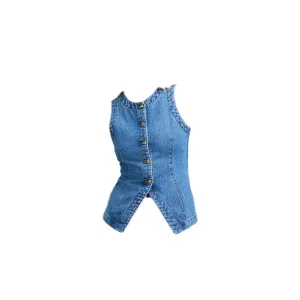
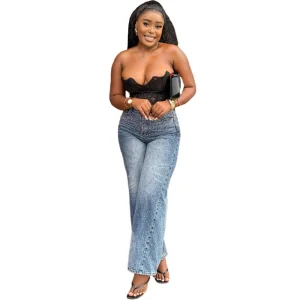
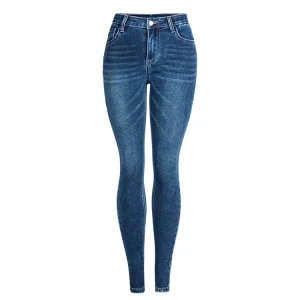
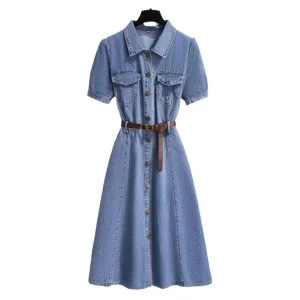
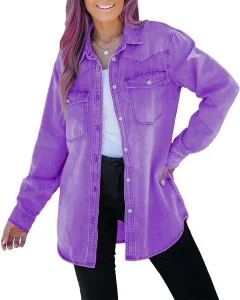
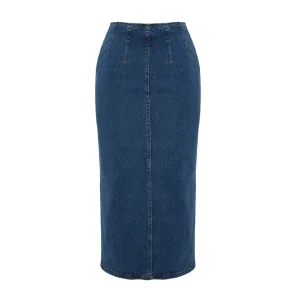
Guangzhou Sebs Fashion Co., Ltd. is a professional women's clothing manufacturer based in Guangzhou, China, specializing in the design, development, and production of high-quality fashion apparel for global brands, wholesalers, retailers, and e-commerce businesses. With extensive experience in the apparel industry, we provide comprehensive manufacturing solutions covering casual wear, formal wear, business attire, knitwear, outerwear, dresses, and seasonal fashion collections.
As a trusted China women's clothing manufacturer, Sebs Fashion combines trend-driven design expertise with advanced garment production capabilities to deliver stylish, comfortable, and market-ready apparel. Our experienced team closely follows international fashion trends and consumer preferences, enabling us to support customers with both customized designs and private label manufacturing services.
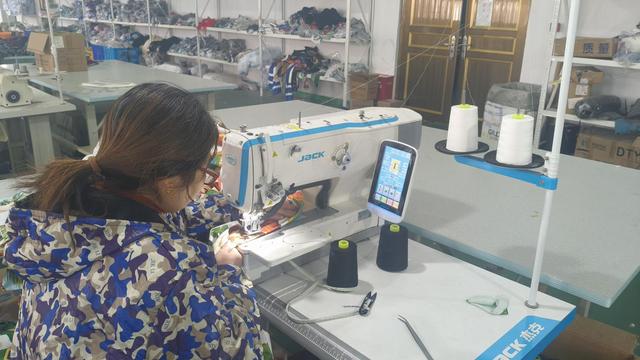
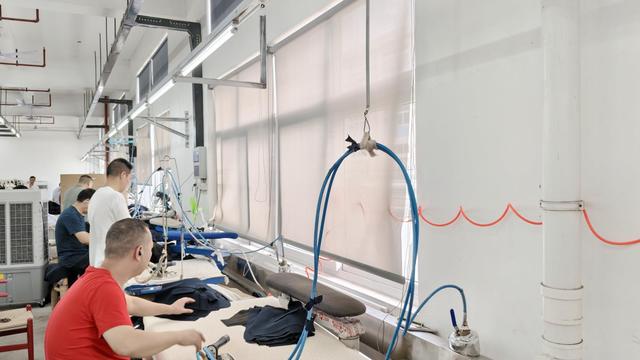
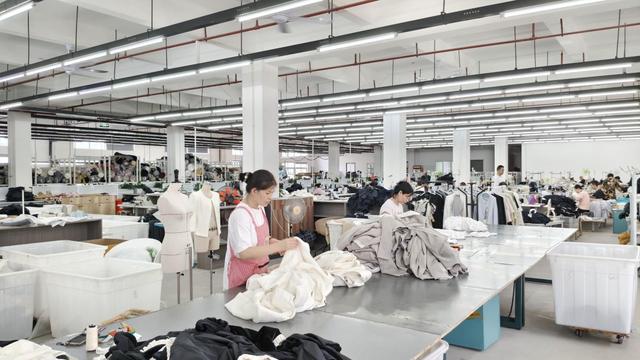
We operate modern production facilities equipped with efficient cutting, sewing, quality inspection, and packaging systems, ensuring consistent product quality and reliable delivery schedules. From fabric sourcing and pattern development to sample creation and bulk production, every stage is managed under strict quality control standards.
Sebs Fashion offers flexible OEM and ODM services tailored to the diverse needs of fashion brands, boutiques, online sellers, department stores, and importers worldwide. Whether clients require small-batch production for new collections or large-scale manufacturing for established brands, we provide scalable solutions designed to support business growth.
Committed to innovation, craftsmanship, and customer satisfaction, Guangzhou Sebs Fashion Co., Ltd. has built long-term partnerships with clients across North America, Europe, Australia, the Middle East, and other international markets. Our mission is to help fashion businesses succeed through reliable manufacturing, competitive pricing, and stylish women's apparel that meets the evolving demands of the global fashion industry.
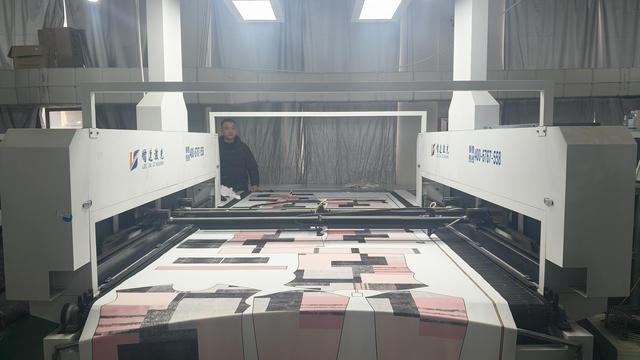
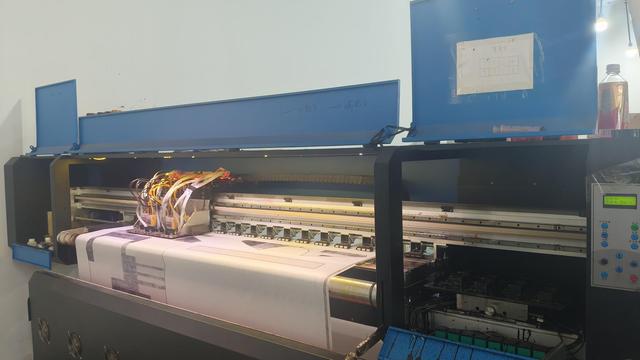
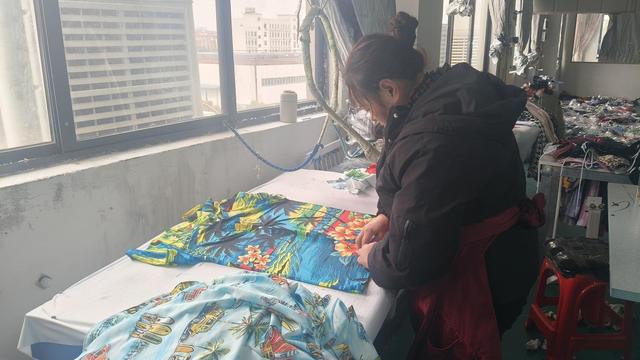
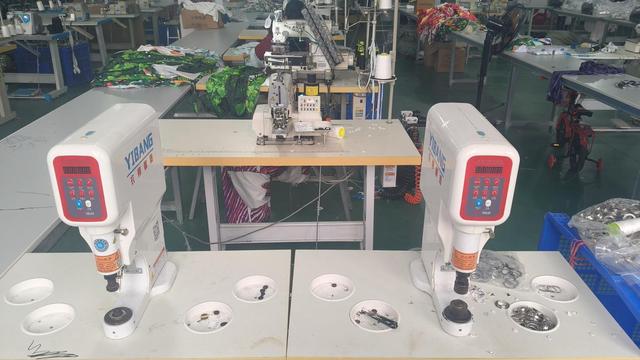
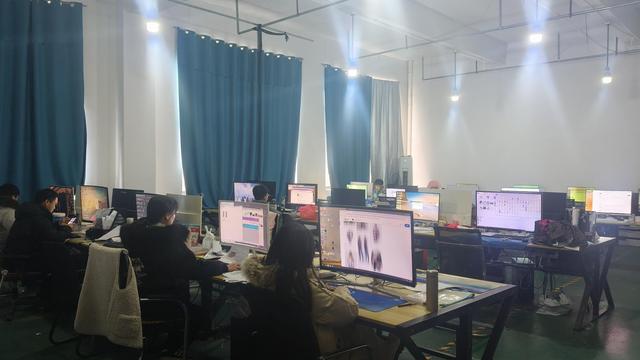
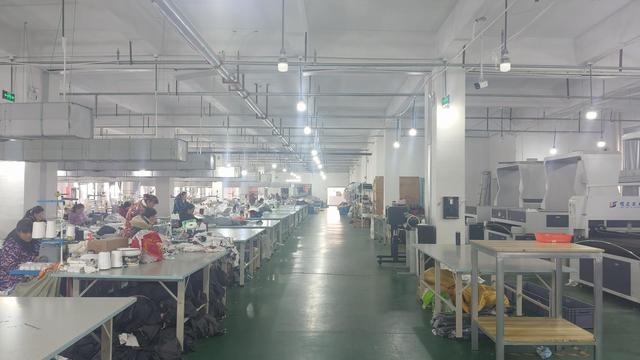
The global denim sector is incorporating artificial intelligence to optimize supply chains and minimize physical sample cycle times. AI-driven pattern nesting algorithms can determine the most efficient textile placement layouts, minimizing wastage of premium raw materials. By developing 3D virtual prototypes, design houses can verify garment fit and draping without committing to raw textile cutting, significantly reducing development lead times from weeks to days.
For merchants operating in Iraq, this technology means faster turnaround times for high-volume custom production requests. Digital design files can be edited in real-time, matching emerging seasonal aesthetics and modest fashion adaptations before physical fabrication.
 Sebs Fashion