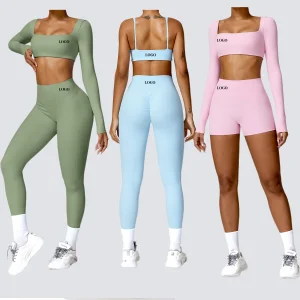
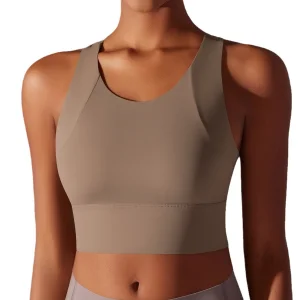
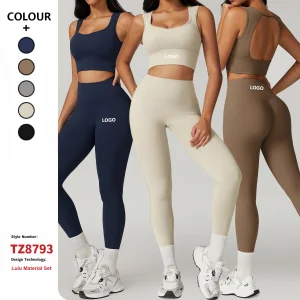
Engineered for high breathability, optimal stretch recovery, and Japanese fit profiles.
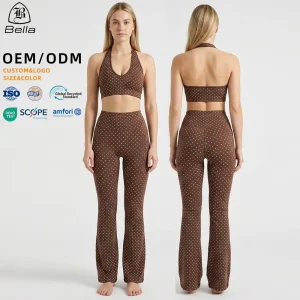
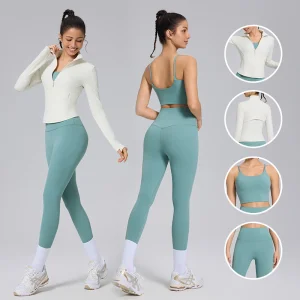
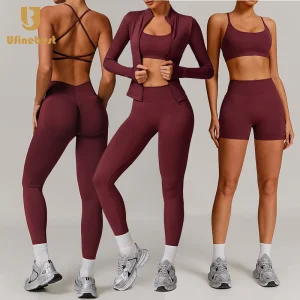
The Japanese activewear market has entered a mature phase of hyper-functional lifestyle integration. Modern Japanese consumers, particularly women in urban hubs like Tokyo, Osaka, and Yokohama, seek apparel that bridges the gap between high-intensity boutique studio activities (Pilates, hot yoga, and barre) and daily casual transit. This hybrid style is widely termed "One-Mile Wear" (ワンマイルウェア).
Unlike Western activewear trends which often highlight bold branding and high-compression, the Japanese demographic demands subtle luxury, earthy neutral palettes (such as taupe, warm grey, sage, and pale navy), and extreme comfort. High compression is frequently bypassed in favor of a "naked feel" or soft-support structure that does not constrict blood circulation.
For global brands exporting to Japan, quality assurance is governed by the meticulous "Kenpin" (検品) standard. Unlike standard global AQL levels, Japanese distributors often implement a 100% inspection protocol via third-party specialized inspection houses.
Common fail points that lead to immediate container rejection in Japan include:
As supply chains diversify across Southeast Asia and East Asia, China’s activewear factories—specifically those in the Pearl River Delta hub like Guangzhou—have maintained a strong competitive edge for high-end Japanese retail requirements. While manufacturing in some developing nations offers lower basic labor costs, they often struggle with the complex logistics, precision engineering, and specialized fabric sourcing required for premium Japanese activewear.
Guangzhou's activewear clusters leverage a "Smart-Factory Ecosystem." Raw material integration is practically instantaneous. High-grade raw yarns, specialized high-gauge knitting machines (such as 36GG/40GG for ultra-fine surfaces), and complex eco-friendly dyeing facilities are colocated within a 2-hour logistics radius.
A comparison of manufacturing factors for high-standard Japanese activewear buyers.
Strategic purchasing demands are transitioning from cheap bulk orders to functional value, environmental accountability, and fast fashion response systems.
Japanese brands are actively increasing the ratio of recycled polyester (sourced from post-consumer PET bottles) and bio-based nylon. Carbon-neutral fabrication and eco-friendly dye processes are now non-negotiable requirements for tier-1 department stores in Tokyo.
In high-humidity climates like Japan's rainy season (Tsuyu), fabrics must integrate anti-odor technology (such as silver ion coatings or zinc pyrithione treatments) that prevent bacteria growth, ensuring freshness during indoor gym activities.
To avoid high warehousing costs in Japan, importers favor agile manufacturers capable of handling initial test orders of 200–500 units per style, followed by rapid restocking cycles (within 15–20 days) upon positive sales data.
Expert answers regarding activewear technicalities, shipping logistics, and compliance standards for Japanese importers.
Yes. Sizing structures for Western brands (EU/US) do not match the anthropometric measurements of the average Japanese consumer. We design specialized sizing patterns featuring slightly shorter inseams for leggings, higher rise configurations for modest midsection support, and customized shoulder lines on bras to prevent gaps and ensure a secure, sleek fit.
We use fabrics and accessories that are Oeko-Tex Standard 100 certified. For all activewear exported to Japan, we run standardized chemical screening for heavy metals, carcinogenic dyestuffs, and free formaldehyde levels, ensuring alignment with Ministry of Health, Labour and Welfare rules.
Absolutely. Environmental awareness is a key buying driver in Japan. We offer certified post-consumer recycled polyester and nylon blends, complete with complete GRS transaction certificates (TC) that trace the supply chain back to the recycling origin.
Our packaging line features a state-of-the-art conveyorized needle detection system. Every piece of clothing passes through the detector individually. If any metal particle is identified, the conveyor halts automatically, and the item is inspected and re-processed. This guarantees 100% safety and compliance with Japanese consumer standards.
Prototyping takes 5 to 7 working days using standard catalog fabrics. Bulk production lead times vary from 25 to 40 days depending on the customization scope and colorways. We also support quick-response replenishment setups for seasonal campaigns.
Yes. We regularly produce care labels and hangtags printed in Japanese, containing accurate material composition percentages, country of origin, and JIS care symbols (JIS L 0001). These can be directly attached in our factory, preparing the products for immediate retail shelving in Japan.
Guangzhou Sebs Fashion Co., Ltd. is a professional women's clothing manufacturer based in Guangzhou, China, specializing in the design, development, and production of high-quality fashion apparel for global brands, wholesalers, retailers, and e-commerce businesses. With extensive experience in the apparel industry, we provide comprehensive manufacturing solutions covering casual wear, formal wear, business attire, knitwear, outerwear, dresses, and seasonal fashion collections.
As a trusted China women's clothing manufacturer, Sebs Fashion combines trend-driven design expertise with advanced garment production capabilities to deliver stylish, comfortable, and market-ready apparel. Our experienced team closely follows international fashion trends and consumer preferences, enabling us to support customers with both customized designs and private label manufacturing services.
We operate modern production facilities equipped with efficient cutting, sewing, quality inspection, and packaging systems, ensuring consistent product quality and reliable delivery schedules. From fabric sourcing and pattern development to sample creation and bulk production, every stage is managed under strict quality control standards.
Sebs Fashion offers flexible OEM and ODM services tailored to the diverse needs of fashion brands, boutiques, online sellers, department stores, and importers worldwide. Whether clients require small-batch production for new collections or large-scale manufacturing for established brands, we provide scalable solutions designed to support business growth.
Committed to innovation, craftsmanship, and customer satisfaction, Guangzhou Sebs Fashion Co., Ltd. has built long-term partnerships with clients across North America, Europe, Australia, the Middle East, and other international markets. Our mission is to help fashion businesses succeed through reliable manufacturing, competitive pricing, and stylish women's apparel that meets the evolving demands of the global fashion industry.
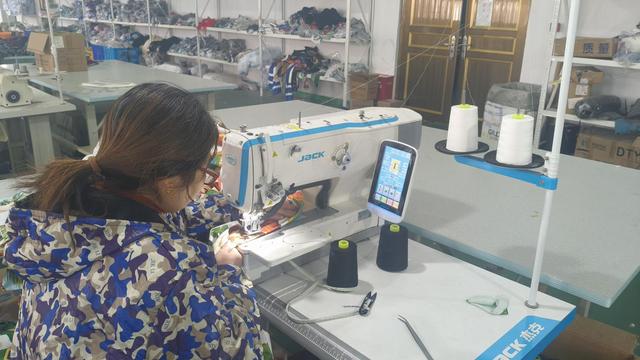
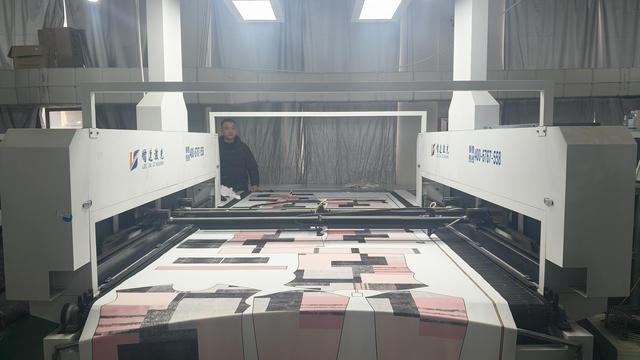
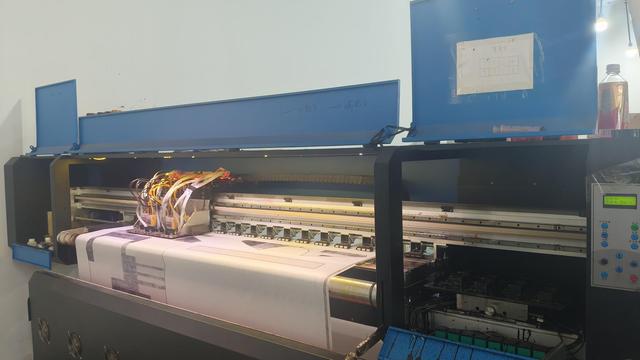
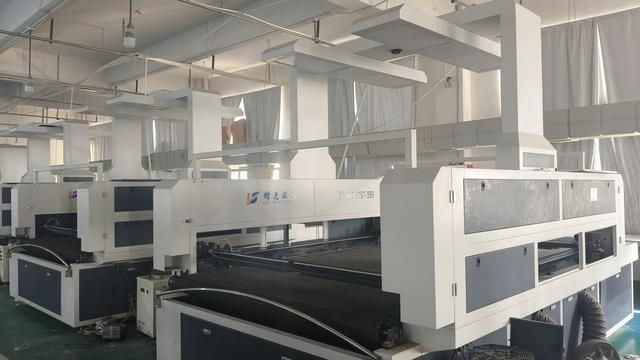
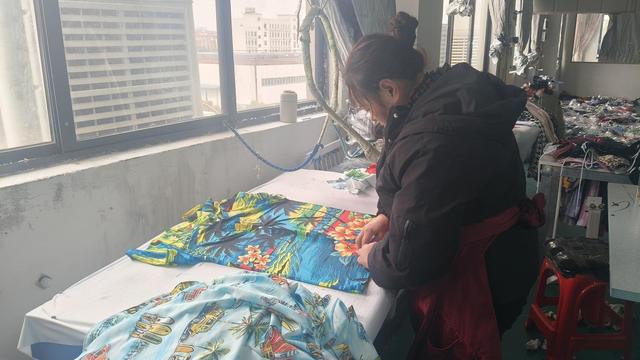
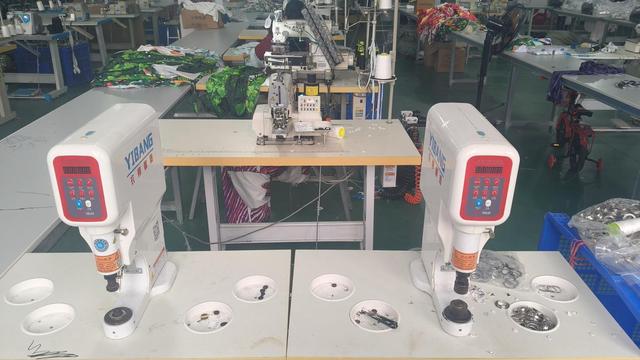
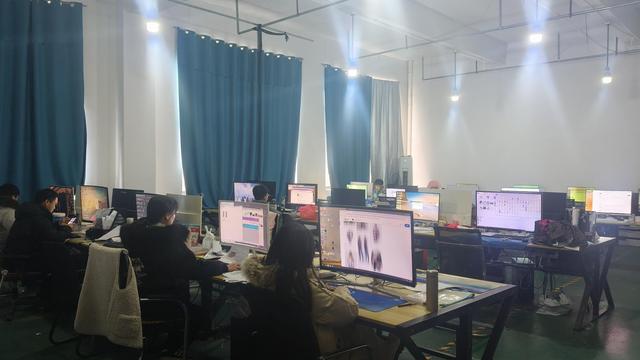
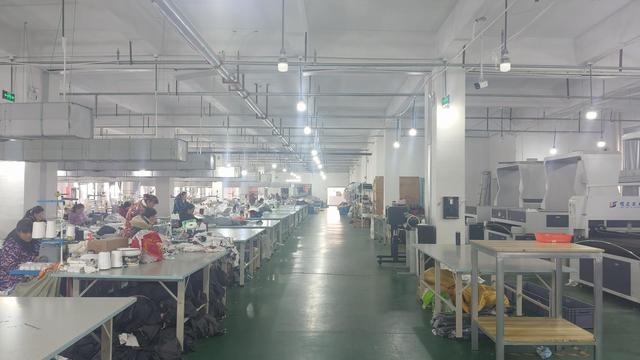
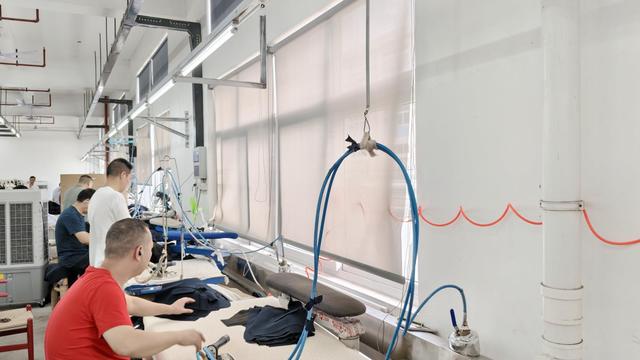
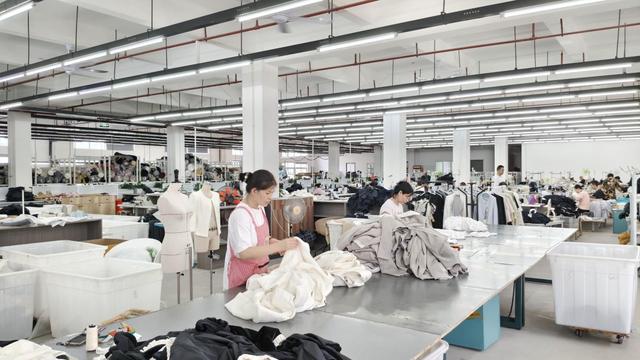
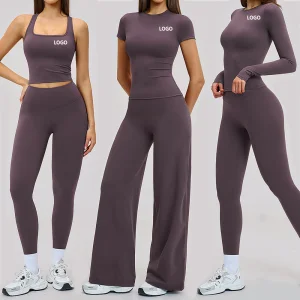
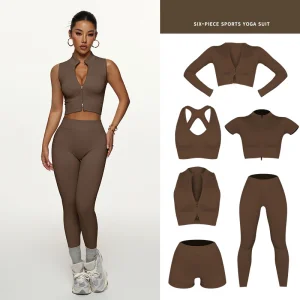
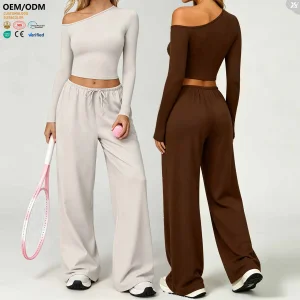
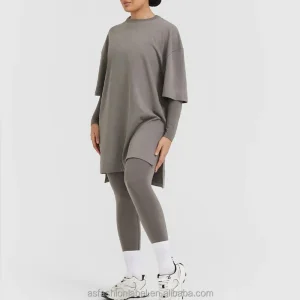
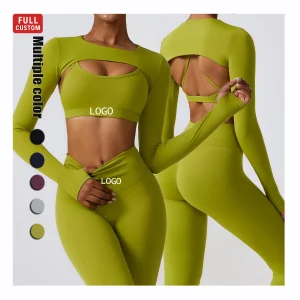
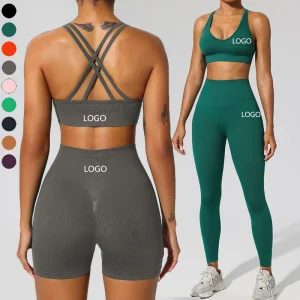
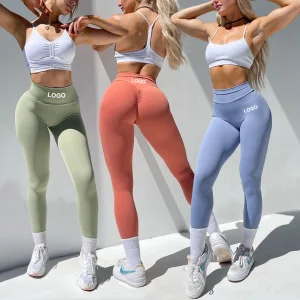
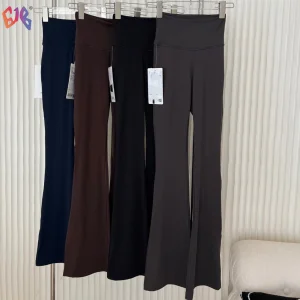
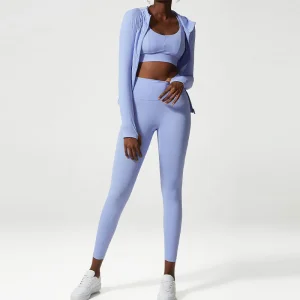
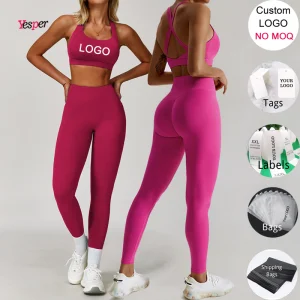
High-performance designs adaptable for custom brand embroidery and Japanese retail standards.
 Sebs Fashion