Premium OEM/ODM customizable fashion apparel, accessories, and structural footwear designs for global B2B retailers.

In the highly competitive landscape of contemporary fashion retail, B2B procurement professionals, brand managers, and global importers face a dynamic environment. Consumer requirements have shifted decisively past basic styling; today's market demands a synthesis of ergonomic footbed engineering, sustainable raw materials, localized compliance, and structural longevity. Sourcing custom footwear, particularly OEM Women's Sandals, requires navigating manufacturing intricacies that extend from material toxicity regulations to high-throughput scale capabilities.
As a leading China-based apparel and accessory manufacturer, Guangzhou Sebs Fashion Co., Ltd. has established an integrated footprint to address these market shifts. By combining advanced design resources, comprehensive pattern engineering, and streamlined global export protocols, Sebs Fashion provides dynamic solutions for brands worldwide. The strategic cross-pollination of textile manufacturing and lifestyle accessory design allows the company to deliver comprehensive OEM/ODM solutions. From high-end resort wear slides to technical platform sandals and urban comfort footwear, the integration of strict manufacturing controls provides an essential baseline for global brands looking to scale.
Achieving structural reliability in sandals design is structurally distinct from standard closed-toe footwear. Sandals expose the footbed directly to physical stressors, dynamic weight distribution, and varying environmental conditions. Consequently, high-performance OEM custom sandals require specialized materials engineering—such as dual-density EVA midsoles, natural cork footbeds, non-toxic thermoplastic rubber (TPR) outsoles, and high-tensile adhesive binding systems. By leveraging deep supply chain integration, Sebs Fashion manages these variable mechanics to ensure that bulk production runs consistently mirror verified pre-production prototypes.
How the physical proximity of material suppliers, localized tooling workshops, and advanced manufacturing clusters drive global procurement efficiency.
Guangzhou acts as the epicenter of premium leather goods, technical synthetic fabrics, and customized mold workshops. This physical proximity reduces lead times for raw materials to under 48 hours, enabling rapid turnaround for high-volume orders.
By leveraging computerized CNC mold carving and standardized mechanical outsoles, we lower initial tooling capital costs for new silhouette shapes, allowing brands to expand catalog variety without capital-intensive investment.
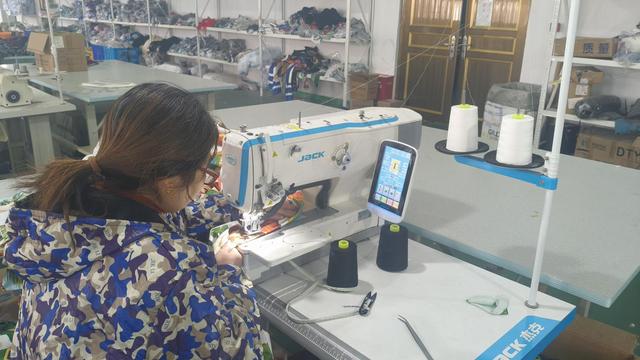
Modernized production lines feature tensile tester units, colorimeters, flex testing machines, and chemical extraction screening loops to verify structural and material safety specifications before shipment.
This localized synergy eliminates standard manufacturing friction. When a global brand requests a custom sandal with structural components like a specific TPU heel counter or an integrated arch-support shank, the material development phase can proceed concurrently with design iterations. Rather than sourcing components from disparate countries, our factories access complete material bills of lading within a 50-kilometer radius. This vertical integration directly supports the agility of international brands facing fluctuating seasonal demands.
Designing a high-volume sandal line requires balancing aesthetic demands with structural integrity. Footwear is dynamic; it must absorb pressure, resist environmental deterioration, and secure the wearer's foot comfortably. In the custom OEM sphere, engineering begins with digital CAD modeling and physical "lasts"—the internal structural forms that dictate the shape, volume, and toe-spring of the sandal.
"The foundation of any high-quality sandal lies in its structural integrity. From strap tensile strength to chemical compound stability in the outsole, precision engineering must occur at the microscopic level to ensure product safety and comfort."
Our customization process accommodates multiple structural elements:
Sandals rely on open-air designs, which means foot placement must be secure to prevent slippage. We construct contoured footbeds featuring deep heel cups, metatarsal support ridges, and orthotic arch contours. Material choices range from high-density memory foams and eco-friendly natural cork composites to shock-absorbing EVA cores wrapped in sweat-wicking microfiber or genuine calf leather.
The primary point of structural failure in low-quality sandals is strap pull-out. Our manufacturing line uses reinforced stitching integrated below the footbed line alongside high-durability industrial adhesives. Strap materials include supple vegan leathers, organic canvas, and high-tensile webbings lined with soft, friction-reducing padded backings to prevent skin irritation.
For fashion-forward designs requiring decorative hardware—such as custom buckle configurations, zirconia crystals, or pearl settings—we use anti-corrosion, lead-free brass or PVD-coated stainless steel. These components are securely anchored to prevent detachment, ensuring longevity and complying with child safety regulations where applicable.
A critical challenge for global retailers is navigating the regional variations in sizing scales and material compliance frameworks. Foot structure varies geographically, influenced by lifestyle, climate, and genetics. For instance, European customer profiles often require narrower, highly structured footbeds, whereas North American and Oceanian markets show higher demand for wider toe boxes and adjustable strap configurations.
To assist global importers, Sebs Fashion implements a standardized sizing mapping protocol, converting designs smoothly between US, EU, UK, and JP sizing charts. Additionally, we customize heel-to-toe parameters and instep heights based on target market demographics to reduce return rates for online retailers.
Beyond physical fit, compliance with international chemical standards is paramount. Global customs authorities enforce strict regulations on footwear materials:
The modern consumer actively seeks out brands with transparent, sustainable manufacturing footprints. In the sandals market, this trend has driven demand for bio-based and recycled materials. As an eco-conscious manufacturer, Sebs Fashion offers green material options that do not compromise on style or durability.
We source certified organic bamboo knit fabrics, recycled PET mesh, and natural cork composites harvested through sustainable forestry. Additionally, we work with water-based, solvent-free adhesives that lower VOC emissions during production, protecting both the environment and our factory floor workers. By integrating these circular materials, global brands can build compelling product lines that meet modern environmental expectations.
Modern sandals serve a wide variety of usage environments. B2B buyers must align their product development with these distinct user scenarios to maximize market relevance:
Designed for damp environments, poolside leisure, and spa resorts. Key features include quick-dry linings, anti-slip EVA outsoles, and lightweight construction that resists water damage and chlorine exposure.
Engineered for all-day walking on hard concrete surfaces. These models feature dual-density arch support, shock-absorbing cork midsoles, and stylish uppers made from genuine or high-grade vegan leather.
Focuses on elegant design, featuring slim heels, delicate strap patterns, and fine embellishments like zirconia, crystals, or metallic hardware. These designs prioritize clean aesthetics and stable heel cups.
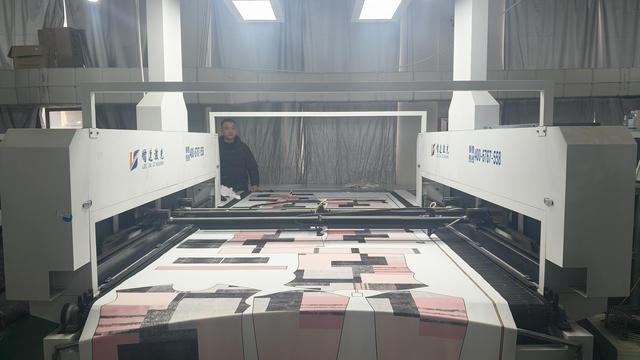
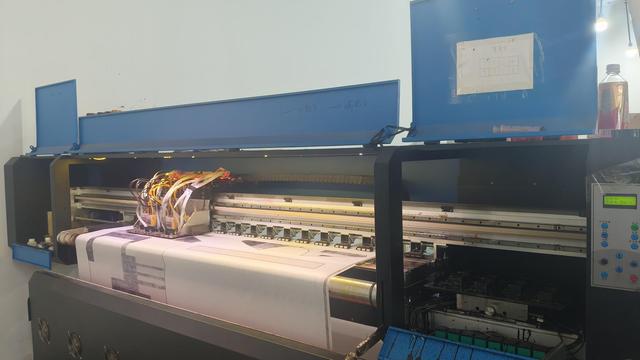
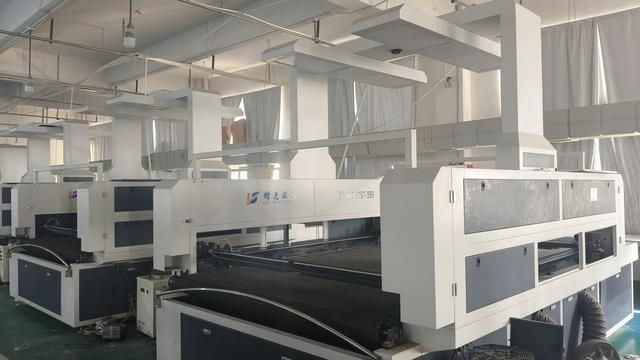
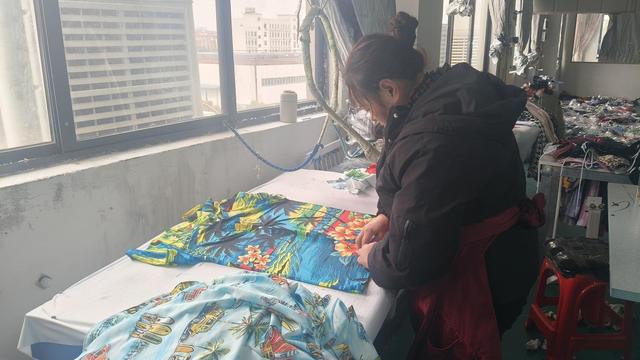
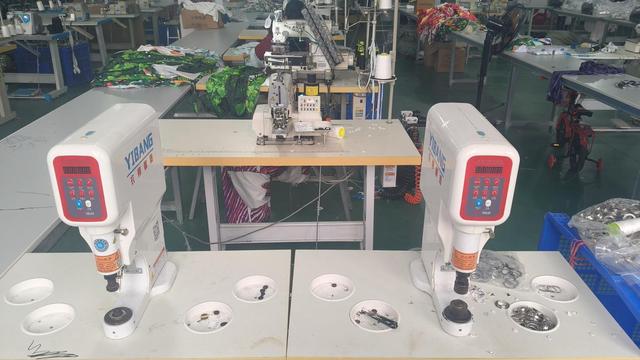
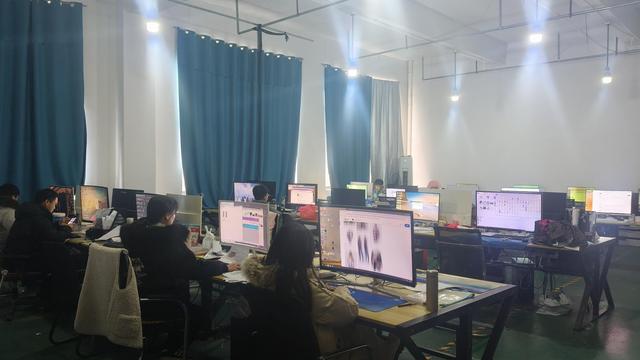
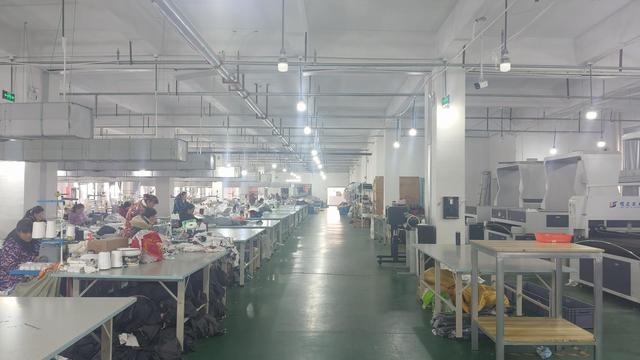
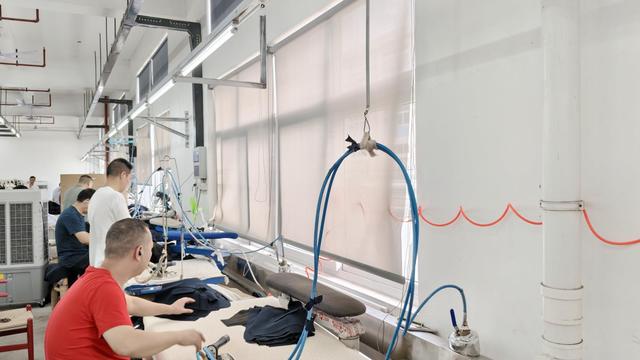
A visual look into our material catalog, product components, and factory floor operations.
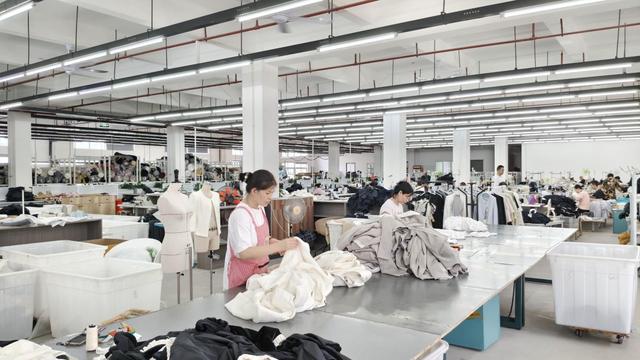
Detailed answers to key sourcing questions, addressing MOQs, logistics, compliance, and material options.
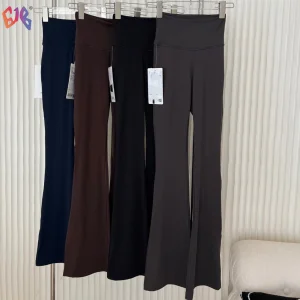
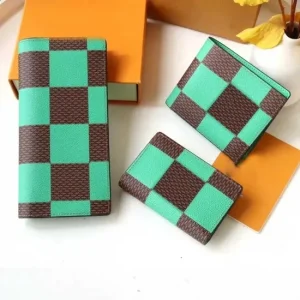
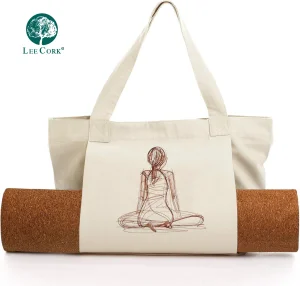
Browse our selection of modern custom apparel, accessories, and knitwear collections designed for global export.

 Sebs Fashion