Sebs Fashion




The global footwear sector is undergoing a profound paradigm shift. The segment of women’s loafers is transitionally moving from purely seasonal formal attire to a multi-scenario, daily necessity driven by both casualisation and comfort-centric working demographics. As executive workspaces relax dress codes and hybrid schedules predominate, the classic loafer has expanded its market capture relative to standard high heels and sneakers.
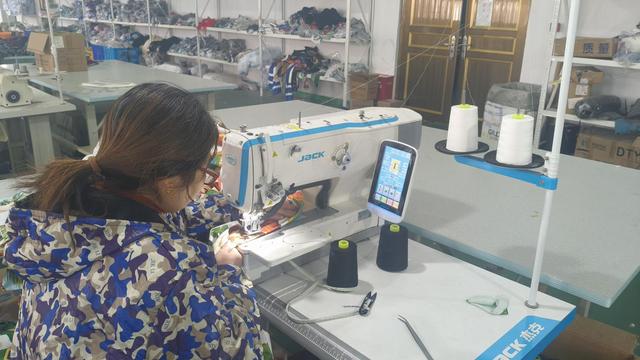
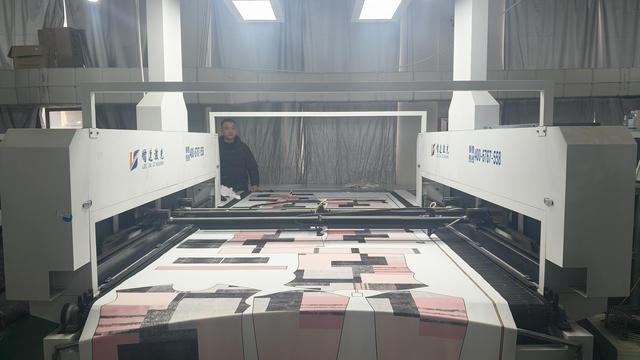
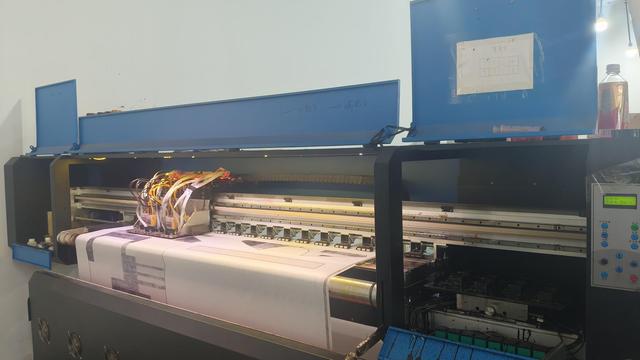
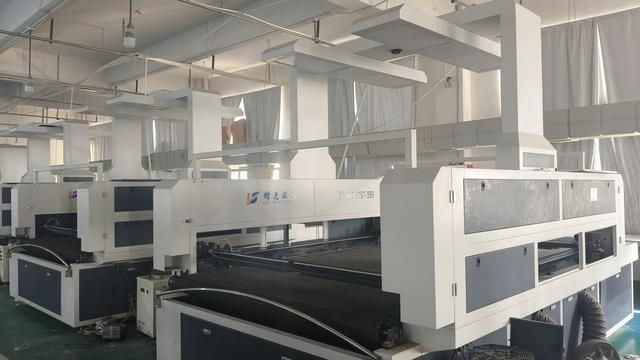
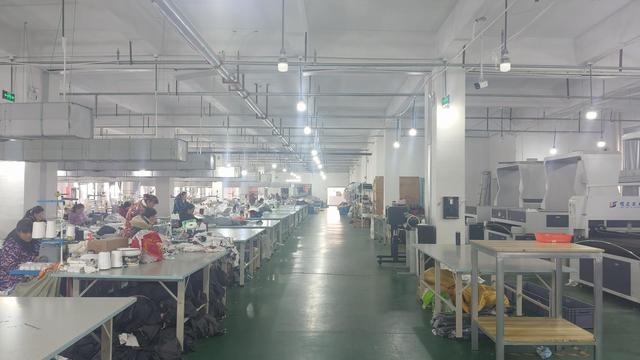
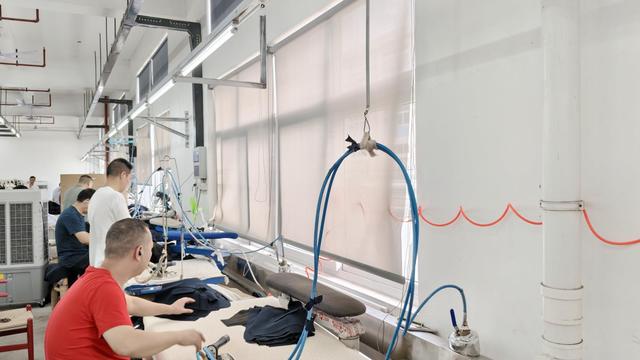
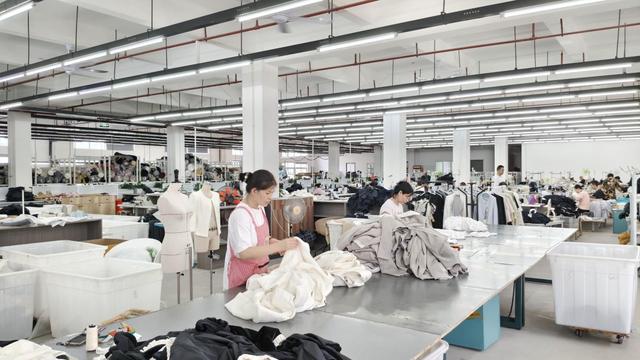
From a manufacturing standpoint, B2B procurement networks look toward sophisticated cluster production models capable of handling high-precision tooling and flexible raw material supplies. Geographically, manufacturing remains heavily clustered in Asia—primarily within Southern and Eastern China coastal hubs like Guangzhou, Dongguan, and Wenzhou—while high-end boutique lines are traditionally processed in Southern Europe (Italy, Spain, and Portugal). However, emerging macro-economic variables have made modern Chinese factories highly competitive, introducing advanced smart-lasting automation systems, clean-cut laser trimming, and sustainable material certifications that match European quality parameters at optimized economies of scale.
In terms of consumption metrics, North American and European markets command over 65% of global import volumes for premium custom-made loafers, with modern digital channels demanding ultra-responsive supply models. Traditional bulk orders (often taking 90–120 days) are increasingly replaced by rapid-response programmatic pipelines where initial test batches (low-MOQ) are evaluated using real-time consumer intent metrics and subsequently restocked in fast, high-volume production runs.