In the highly competitive international luxury and fast-fashion landscape, sourcing premium Custom OEM Women's Handbags has evolved from a transaction of purchasing goods to a strategic alignment of product capabilities, compliance structures, and design agility. Modern enterprises demand partners who demonstrate profound expertise in advanced textiles, premium top-grain leathers, eco-conscious vegan alternatives, and automated manufacturing systems.
As consumer preferences shift rapidly toward circular fashion and transparent supply chains, global brands are re-engineering their sourcing models. Partnering with a comprehensive OEM/ODM handbag manufacturer in southern China allows firms to leverage established clusters of master hardware smiths, leather tanneries compliant with Leather Working Group (LWG) standards, and highly digitized pattern-making workshops. This whitepaper analyzes these elements, outlining why optimized OEM integration is critical to brand health, supply chain resilience, and bottom-line growth.
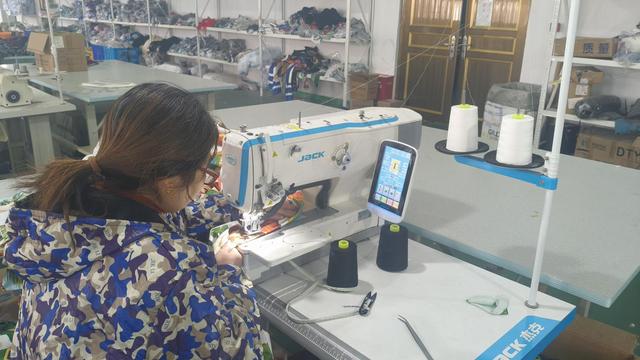
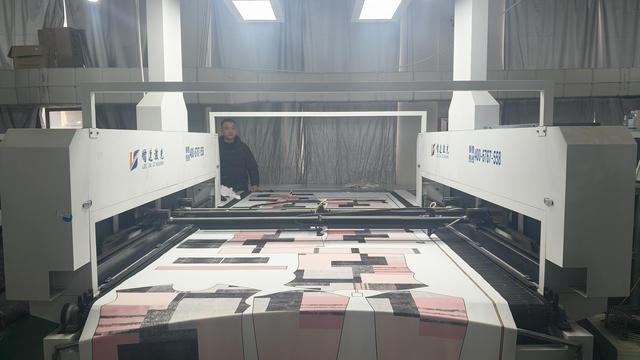
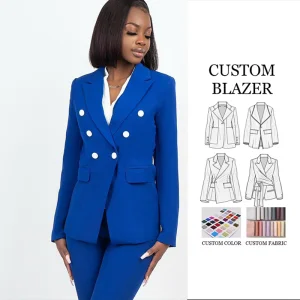
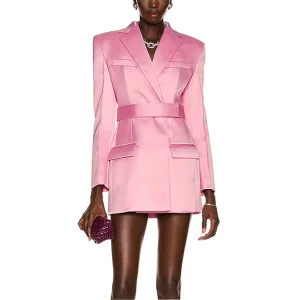
With decades of specialized experience in high-end fashion development, Guangzhou Sebs Fashion Co., Ltd. stands at the intersection of trend-driven design and large-scale industrial capability. By integrating apparel design with custom leather accessories, we present a holistic supply chain solution for global brands seeking cohesive collections.
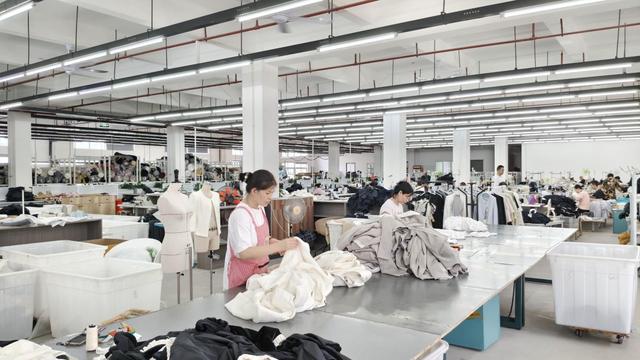
Recognizing the strong correlation between matching accessories and modern silhouettes, Sebs Fashion has expanded its manufacturing matrix. We offer top-tier OEM & ODM women's handbags services that match the high quality control standard of our core clothing line. Clients can now develop cohesive ready-to-wear lines alongside premium leather accessories, realizing a streamlined sourcing process.
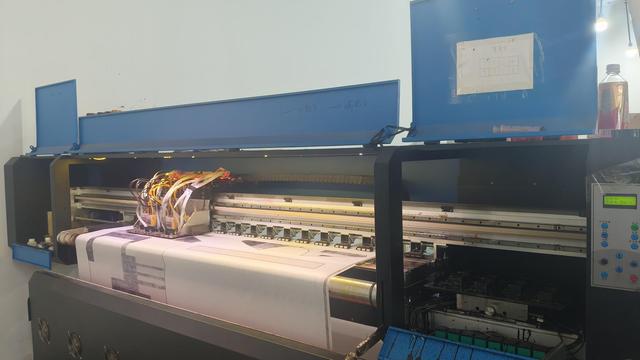
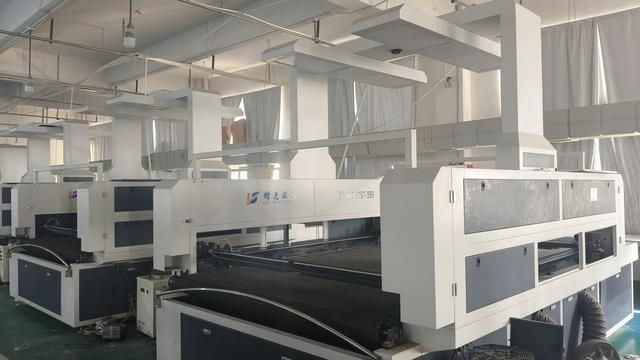
Rather than coordinating with multiple vendor networks—leading to fragmented color runs, varying leather textures, and shipping delays—brands utilize Sebs Fashion as a single-point solution. This guarantees that a leather trench coat, custom boots, and a structured shoulder bag align under the same color, texture, and hardware standards.
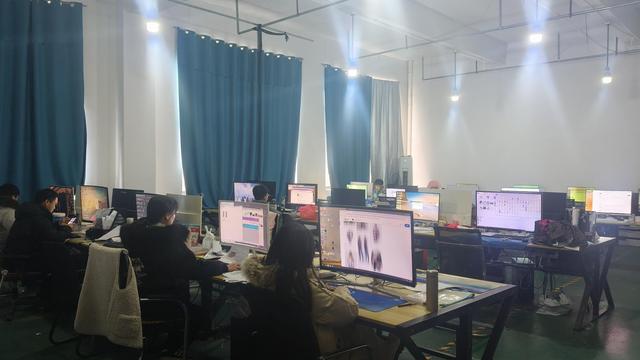
China's prominence in global handbag manufacturing is sustained by advanced industrial clusters, technical talent, and digital efficiency. Regions like Guangzhou (specifically Shiling, Huadu) function as integrated ecosystems where every material, hardware piece, and manufacturing machine is sourced within a short distance.
From custom alloy zipper pulls to hand-painted edge dyes and specialty reinforcing backing, the proximity of raw materials ensures development timelines are significantly shortened compared to other manufacturing regions.
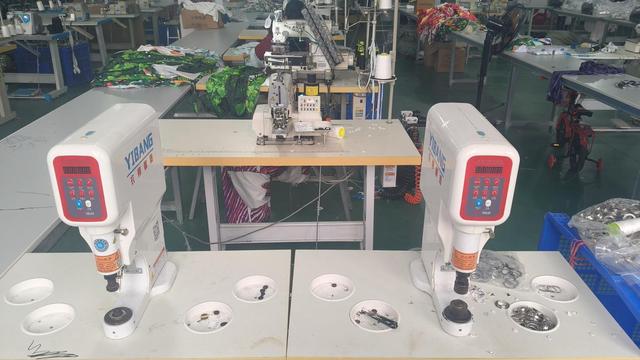
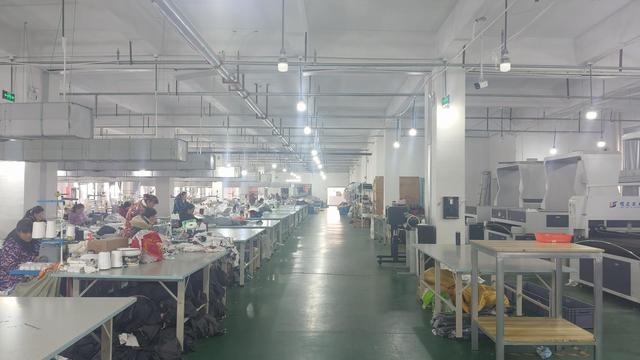
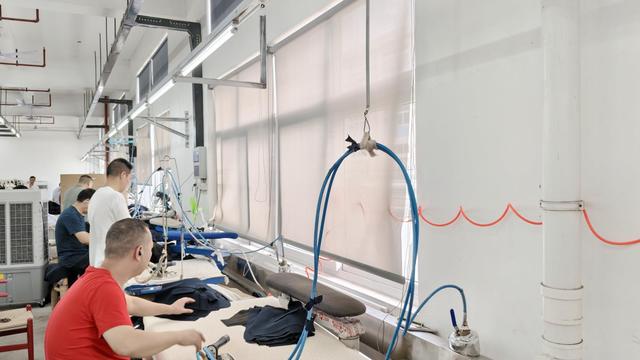
Factories utilize automated computerized stitching machines, high-precision laser fabric cutters, and hydraulic pressing machines. These tools guarantee tolerances within fractions of a millimeter, ensuring clean seams and long product life.
Established Chinese manufacturers routinely complete audits for BSCI, Sedex, ISO 9001, and SGS. This guarantees complete regulatory compliance, clean labor practices, and safe material handling.
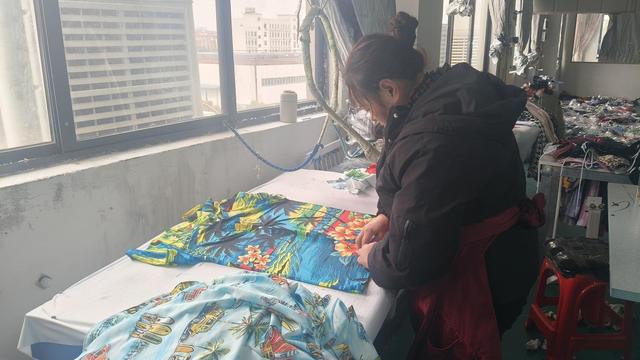
Handbag assembly remains a highly craft-dependent discipline. The alignment of structural panels, the precision of edge painting, and the clean execution of stitch-turn constructions require skilled artisans. China houses a large pool of trained bag craftsmen who manage complex steps like French-edge bindings, rolled-handle structures, and structured base insertions with consistent precision.
Furthermore, the capability to scale production from small trial orders (low MOQs) to large replenishment programs within 25 days provides brands with the agility required to capture trends without holding excessive stock.
The global handbag market is transitioning toward a digital, ethical, and sustainable future. Brands that align with these developments can build stronger connections with conscious consumers and minimize operational risk.
Standard PU is being replaced by plant-derived alternatives, including cactus leather, pineapple leaf fibers (Piñatex), apple skin leathers, and ocean-bound recycled plastics (rPET). These materials lower carbon footprints while maintaining durability.
Modern handbags increasingly feature integrated technology. We incorporate RFID-blocking fabric shields, specialized compartments for tracking devices (e.g., AirTags), and concealed pockets with wireless power bank routing.
Consumers favor multi-functional designs. Handbags with modular, detachable pouches, interchangeable shoulder straps, and adjustable shapes allow transition from daytime use to formal evening occasions.
Today's coatings protect against environmental degradation. We apply water-repellent nanotech coatings, anti-microbial treatments to linings, and scratch-resistant finishes to leathers. These features ensure the bag retains its appearance over years of daily wear, increasing customer satisfaction and reducing return rates.
Sourcing premium goods involves navigating international regulations and consumer expectations. A knowledgeable OEM partner ensures compliance is addressed during the raw-material stage.
US & Canada: Products must comply with California Proposition 65 (heavy metal limits) and CPSIA testing. Our materials undergo chemical testing to ensure lead, cadmium, and phthalate levels fall within legal thresholds.
EU & UK: Strictly regulates azo dyes, nickel release from metal zippers/clasps, and DMFu content under REACH guidelines. We provide certified testing documentation for all components.
GCC Markets: Premium hardware finishes and specialized leather treatments are key. Products must withstand high humidity and temperature extremes without cracking, peeling, or tarnishing.
Guangzhou Sebs Fashion Co., Ltd. uses a structured, six-stage workflow to transition design concepts into retail-ready products.
A: MOQs depend on the material selected. For genuine leather handbags, our standard MOQ is 100-200 pieces per style/color, as leather hides are tanned in batches. For PU, nylon, or eco-friendly vegan options, the MOQ is typically 300-500 pieces per style, aligning with roll-stock textile production requirements.
A: We source raw materials from certified suppliers who undergo regular testing. On request, we coordinate third-party testing (SGS, Intertek, or TÜV) to verify compliance with REACH, Proposition 65, and other regulatory frameworks.
A: Initial sample development typically takes 7 to 10 working days, depending on hardware customization. Bulk production is generally completed within 30 to 45 days after deposit payment and pre-production sample approval.
A: Yes. We offer customized alloy molds to engrave, deboss, or laser-print brand logos onto pullers, locks, clasps, and rings. Finishing options include gold plating, brushed brass, matte black, and gunmetal gray with anti-oxidation coatings.
A: We coordinate designs across both categories, sourcing matching colors, materials, and hardware finishes. This ensures structural and aesthetic consistency across all apparel and handbag lines.
 Sebs Fashion