In the world of fashion, trends come and go. However, the importance of fit remains constant. Renowned fashion consultant, Sarah Johnson, emphasizes this notion by stating, "Regardless of trends, a great fit enhances confidence and style." This sentiment resonates deeply with consumers today.
When shopping, buyers often focus on the latest styles. Yet, clothes that fit well can transform one’s appearance and comfort. A well-fitted garment accentuates body shape and boosts self-esteem. For many, it is not merely about what is in vogue. They prioritize how clothing makes them feel. The paradox lies in wanting to look trendy while realizing that fit plays a fundamental role in overall satisfaction.
Moreover, as trends become more fleeting, the need for timeless pieces grows. The true challenge lies in balancing current styles with personal comfort. Exploring the question, "why is fit more important than fashion trends" reveals a critical insight into consumer behavior. Many prioritize investment in pieces that will last, both in wear and psychological impact.
The Significance of Fit in Clothing Selection
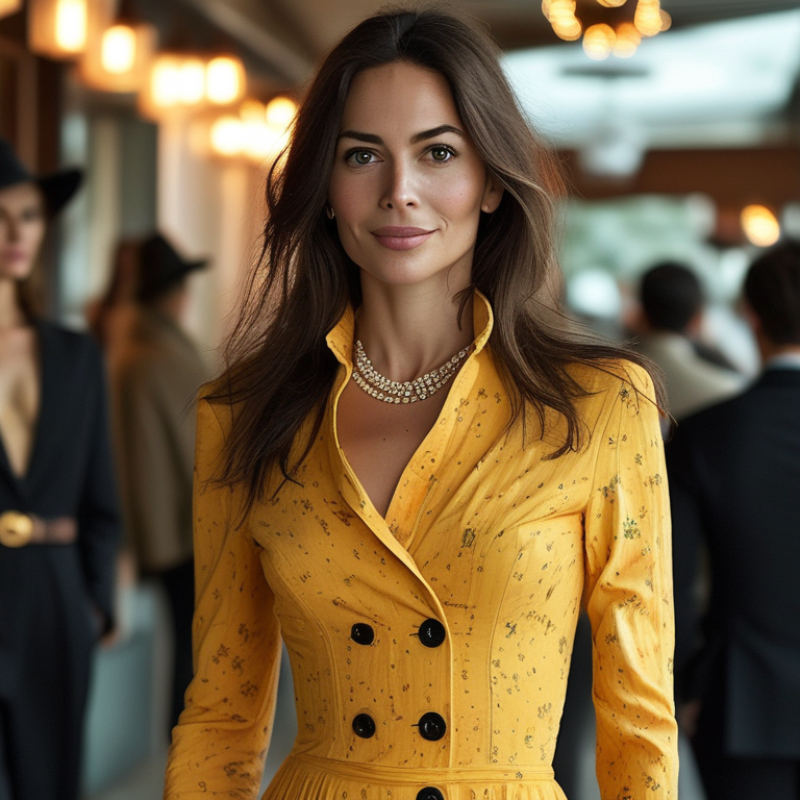
Choosing the right fit in clothing can often outweigh the influence of fleeting fashion trends. Many individuals find themselves caught in the pursuit of what's "in," frequently disregarding how those items truly suit them. A well-fitting outfit enhances comfort and confidence, making it easier to express oneself authentically.
Fit is not a universal concept; it varies based on body types and personal styles. Measuring certain areas like shoulders, waist, and hips can help identify the best fit. Even slight adjustments can drastically improve how clothing looks and feels. People often overlook these small details, leading to frustration over ill-fitted garments. An item may be trendy, but if it does not conform to one’s shape, it fails to serve its purpose.
Contentment with one’s appearance stems from the alignment of fit and personal style rather than adherence to trends. It’s not uncommon to see pieces hanging untouched in closets, purchased out of impulse rather than necessity. Prioritizing fit over trendiness encourages smarter shopping habits and greater satisfaction in clothing choices. Balancing individuality and comfort paves the way for styles that resonate on a deeper level.
The Impact of Fit on Comfort and Wearability
Finding the perfect fit is often overshadowed by fleeting fashion trends. However, comfort and wearability should take precedence when choosing clothing. The right fit allows for movement without restriction. It creates a flattering silhouette that boosts confidence. People often wear clothes that look good but feel uncomfortable. This leads to frustration and dissatisfaction over time.
Comfort goes beyond mere fabric choice. It encompasses how garments interact with our bodies. A well-fitting piece can be the difference between feeling carefree or constrained. Ill-fitting clothes can cause physical discomfort, affecting our daily lives. Individuals might need to pull at their clothes or adjust them constantly. These small inconveniences add up.
Reflecting on fit is essential for creating a wardrobe that supports our lifestyles. An ill-fitting outfit can lead to a whole day of discomfort. Buyers often find themselves regretting impulsive fashion choices made for style alone. Seeking a fit that aligns with personal comfort standards can transform our shopping experience. Investing in fit ensures longevity and satisfaction in our clothing.
How Fashion Trends Influence Consumer Choices
Fashion trends often captivate consumers, yet the importance of fit outweighs fleeting styles. Buyers need clothes that enhance their self-image and comfort. A well-fitting garment feels better and boosts confidence, regardless of its alignment with current trends. Many find themselves buying trendy pieces that end up in the back of their closets, forgotten and unworn.
Trends can sway decisions, but they often lead to poor choices. Consumers might overlook fit for the latest design, resulting in uncomfortable clothing that doesn't suit their bodies. Dressing well is not only about following what is stylish; it’s about wearing what aligns with personal comfort and individual style. Shopping based on current trends may bring regret later when the excitement fades.
While being up-to-date can feel exhilarating, it is vital to remember that fit expresses individuality. Paying attention to how clothes fit can transform an outfit from simply trendy to genuinely fashionable. Ultimately, feeling good in one’s clothes is a trend that never goes out of style.
Fit vs Fashion Trends: Consumer Preferences
This chart illustrates the importance of fit versus fashion trends among consumers. The data shows that 75% of consumers prioritize fit, while only 25% consider fashion trends significant in their purchasing decisions.
The Long-Term Value of Investing in Properly Fitting Apparel
Investing in properly fitting apparel is crucial for long-term wardrobe satisfaction. Research from the Journal of Fashion Marketing & Management reveals that consumers increasingly prioritize fit over fleeting fashion trends. Approximately 70% of apparel returns are attributed to poor fit. This statistic highlights the importance of selecting clothes that truly match body shape and measurements.
Studies indicate that well-fitted clothing can enhance confidence and performance. A study by the American Psychological Association found that when people wear clothes that fit well, their cognitive abilities improve. They feel more capable and ready to tackle tasks. The emotional benefit of a good fit cannot be overlooked. In an age dominated by fast fashion, this perspective reminds buyers that longevity and self-expression go deeper than superficial trends.
While it’s tempting to follow the latest styles, investing in pieces that fit flawlessly leads to better overall value. The longevity of clothing diminishes when fit is neglected. As the fashion industry shifts towards sustainability, buyers must reflect on the significance of fit. Choosing clothing that complements your body not only enhances personal aesthetic but also reduces waste. This is a critical aspect for ethical consumption.
Why is Fit More Important Than Fashion Trends for Buyers? - The Long-Term Value of Investing in Properly Fitting Apparel
| Dimension |
Importance |
Long-Term Value |
| Comfort |
High |
Increased wear time and satisfaction |
| Durability |
Medium |
Cost savings over time due to fewer replacements |
| Versatility |
High |
Ability to wear in multiple settings |
| Style Longevity |
Medium |
Timeless appeal leads to enduring value |
| Confidence Boost |
High |
Improved self-esteem and presentation |
| Investment Value |
High |
Better ROI compared to trendy apparel |
Balancing Personal Style with Functional Fit in Wardrobe Choices
When it comes to wardrobe choices, fit reigns supreme over fleeting fashion trends. A well-fitting garment enhances your silhouette and boosts your confidence. It’s essential to prioritize comfort while expressing your personal style. This means choosing pieces that feel great on your body rather than what the latest runway dictates.
Many buyers make the mistake of prioritizing looks over fit. This can result in garments that are uncomfortable and don’t work for everyday life. A great fit allows for movement, ensuring you feel relaxed. Focus on shapes and styles that flatter your unique body type.
Consider the following: when shopping, always try on clothes. Movement is key; ensure that you can bend, sit, and stretch without restriction. A good fit shouldn’t just be about size; it should also account for fabric stretch and cut. Seek out pieces that can mix and match with your existing wardrobe. Balancing personal style and functional fit can create a practical yet stylish closet. Understand that it’s okay to step away from trends that don’t serve you. Embrace your individual style through fit.
Conclusion
In the realm of clothing selection, understanding "why is fit more important than fashion trends" is essential for buyers. Fit plays a crucial role in determining comfort and wearability, allowing individuals to feel confident and at ease in their outfits. While fashion trends may entice consumers to make impulsive purchases, it is the properly fitting apparel that offers long-term satisfaction and versatility.
Investing in well-fitting clothing not only enhances physical appearance but also supports a functional wardrobe. By balancing personal style with the need for a functional fit, buyers can cultivate a collection that transcends fleeting trends, ensuring they are prepared for any occasion. Ultimately, prioritizing fit over trends leads to a more thoughtful and sustainable approach to fashion.

 Sebs Fashion