Dressing professionally as a woman is more than just wearing a suit. It’s about reflecting confidence and establishing authority in the workplace. Understanding how to dress professionally as a woman involves choosing styles that suit your body type while adhering to industry standards.
Consider the colors, textures, and accessories that enhance your look. Not every outfit will feel perfect at first. You might struggle with comfort or fit; this is normal. It is essential to experiment and find what resonates with your identity while still looking polished.
Balancing professional attire with personal style can be challenging. You may wonder where to draw the line between trendy and appropriate. Seeking advice from trusted colleagues or fashion experts can provide valuable insights. Ultimately, your goal is to feel empowered in your choices and convey professionalism through your wardrobe.
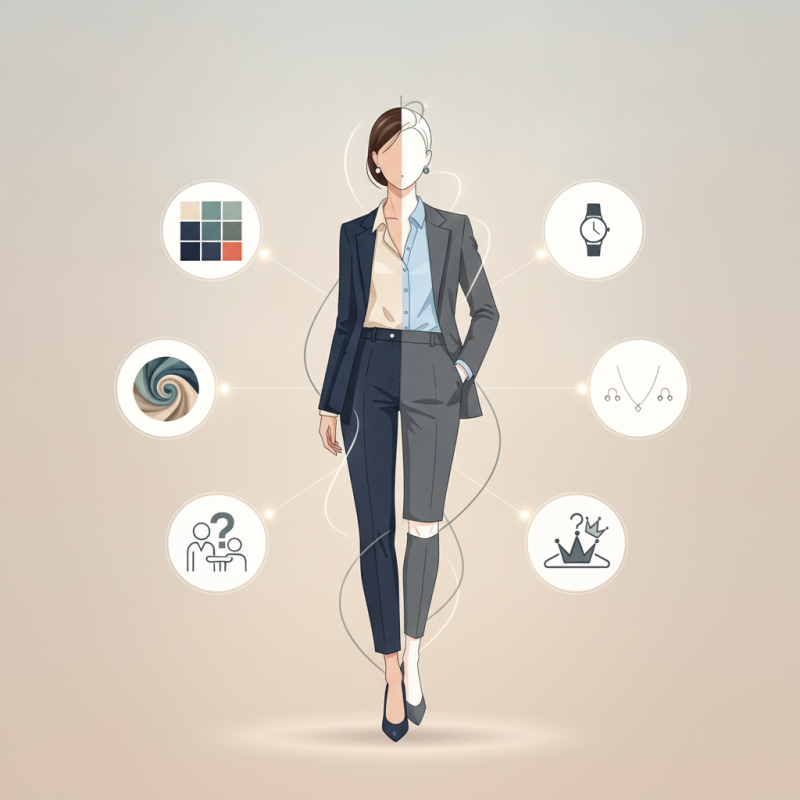
Understanding professional dress codes for women is essential in today's work environment. Dressing appropriately can enhance confidence and make a strong impression. Different workplaces have varying expectations. Be observant about your surroundings; this can guide your choices.
Business formal often includes tailored suits or dresses. Fabrics matter—opt for quality materials that hold their shape. Colors should be conservative; navy, black, and gray are classic. Accessories should be minimal yet elegant. Think modest jewelry and professional shoes.
In more casual environments, it's still important to remain polished. Choose well-fitted slacks or skirts paired with stylish tops. Avoid overly casual items like flip-flops or distressed jeans. Pay attention to grooming. Hair and makeup should be neat, reflecting professionalism. This can feel challenging at times; remember to adjust based on feedback from colleagues or supervisors. Dressing for success evolves, and seeking advice is a sign of growth.
Choosing the right attire for work can be challenging. Professionalism often feels at odds with personal style. Women need to find balance. A tailored blazer can elevate a simple dress. It adds authority to your appearance. However, it may not align with your personal aesthetic.
Consider your workplace culture when selecting outfits. Some environments favor creativity over tradition. Others may prioritize strict professionalism. It’s essential to understand these dynamics. You might feel uncomfortable in overly formal clothing. In such cases, opt for smart-casual pieces that reflect your personality.
Accessorizing can bridge the gap between professional and personal. A unique necklace can make a statement while remaining appropriate. Yet, it’s crucial to avoid overdoing it. A single standout piece is often more effective than multiple distractions. Reflect on your choices to ensure they communicate confidence and competence. Ultimately, dressing well for work is a continuous learning process.
When dressing professionally, a well-curated wardrobe is essential. Start with a tailored blazer. It adds structure and sophistication. A blazer can elevate a simple outfit. Pair it with fitted trousers or a pencil skirt to create a polished look. Opting for classic colors like black, navy, or gray ensures versatility.
Don't underestimate the power of a crisp blouse. Choose fabrics that drape nicely and won’t wrinkle easily. A good blouse can transition from day to night effortlessly. Also, invest in quality shoes. Comfortable yet stylish footwear is crucial for a long workday. A classic pump or sleek loafers can complete your outfit beautifully.
Accessories matter too. A structured handbag can enhance your overall appearance. Avoid overly flashy jewelry; subtle pieces add elegance. Be mindful of your choices. Sometimes, you may find your outfit still feels off. Reflect on how each piece contributes to your professional image. The goal is to convey confidence without overwhelming your presence.
Accessorizing is a crucial component of dressing professionally. It requires a fine balance between style and professionalism. According to a survey by the Journal of Fashion Marketing and Management, 67% of employers believe that accessories can significantly impact a candidate's first impression. This statistic highlights the importance of thoughtful accessorizing in the workplace.
A well-chosen piece can enhance an outfit without overwhelming it. Consider classic options like a simple watch or a delicate necklace. These items add elegance and can boost confidence. However, don’t overdo it. Too many accessories can distract from your overall look. Aim for one or two standout pieces to maintain professionalism.
Another key point is color choice. Neutral colors are often more appropriate but don’t shy away from subtle, vibrant accents. This can show creativity without being too bold. For example, a statement handbag in a muted tone can be a conversation starter while keeping the focus on your professional attire. Remember, the goal is to present yourself as competent and stylish. Balancing these factors takes practice and a keen eye. Reflect on how your choices align with your professional goals. It's an ongoing journey of self-expression and professionalism.
| Tip Number | Tip Description | Example Accessories |
|---|---|---|
| 1 | Choose Neutral Colors for Base Clothing | Nude pumps, Black handbag |
| 2 | Incorporate Statement Jewelry | Bold necklace, Elegant earrings |
| 3 | Invest in Quality Tailoring | Tailored blazers, Fitted trousers |
| 4 | Add a Pop of Color with Accessories | Colorful scarf, Vibrant handbag |
| 5 | Select Professional Footwear | Closed-toed shoes, Low heels |
| 6 | Choose the Right Handbag | Structured tote, Professional backpack |
| 7 | Match Accessories with Outfit | Coordinated belts, Matching jewelry |
| 8 | Balance Form and Function | Wristwatch, Functional yet stylish bag |
| 9 | Layer for Versatility | Cardigans, Light scarves |
| 10 | Pay Attention to Grooming | Neat hairstyle, Subtle makeup |
Dressing professionally goes beyond clothing. Grooming and presentation play crucial roles in creating a polished appearance. A report from the Professional Women’s Network shows that 73% of employers favor candidates who display a well-groomed appearance. This statistic underscores the importance of attention to detail in your grooming habits.
Hair maintenance is key. Ensure your hair is clean and styled appropriately. A neat style should reflect your personal taste while aligning with your workplace norms. Invest in good hair products, as they can make a significant difference in your overall look. Remember, while it’s essential to express yourself, maintaining professionalism should be a priority.
Skincare is another vital aspect. Healthy skin reflects a commitment to self-care. Use a daily skincare regimen that includes cleansing, moisturizing, and sunscreen. This basic routine can enhance your overall appearance and boost your confidence. Consider this: an estimated 40% of women feel insecure about their skin, which can impact workplace performance. Addressing this can lead to a more empowered presence.
When it comes to attire, fit is everything. Clothes should complement your body shape without being overly tight or loose. Tailoring can transform even basic pieces into professional attire. Always keep your wardrobe organized, making it easier to choose outfits that project confidence. Remember, perfection is not the goal; authenticity and thoughtful grooming choices matter more.
: Knowing dress codes boosts confidence and creates a strong impression at work.
Tailored suits or dresses in classic colors like navy, black, or gray are ideal.
Choose well-fitted slacks or skirts paired with stylish tops, avoiding overly casual items.
A tailored blazer, crisp blouses, quality shoes, and modest accessories are all crucial elements.
Grooming is vital; a well-groomed look is favored by employers and conveys professionalism.
Keep hair clean and styled, aligning with personal taste and workplace standards.
Healthy skin shows commitment to self-care and boosts confidence at work.
Clothes should complement your body shape. Tailoring can enhance even simple outfits.
Reflect on your choices; authenticity matters more than perfection in your appearance.
Keep it organized to easily find outfits that project confidence and professionalism.
In today's professional world, understanding how to dress professionally as a woman is essential for making a positive impression. This involves recognizing various professional dress codes and choosing attire that balances professionalism with personal style. Key wardrobe pieces such as tailored dresses, blouses, and blazers are vital to achieving a polished look, while accessories should be selected thoughtfully to enhance the overall appearance without overwhelming it.
Moreover, grooming and presentation play a significant role in projecting confidence and competence. A well-maintained look, complemented by appropriate hairstyle and makeup, can elevate your professional presentation. By following these tips, women can cultivate a wardrobe that not only reflects their individuality but also conveys the seriousness and dedication that is expected in the workplace.

Sebs Fashion